
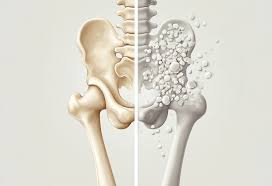
Bone health is something many of us don’t think about—until it becomes a problem. The truth is, building and maintaining strong bones is a lifelong process, and small daily habits can make a big difference over time. Let’s dive in and take a closer look at osteoporosis, what increases your risk, and most importantly—what you can do to protect and strengthen your bones naturally.
🦴 Why Bone Health Matters
Globally, 30–40% of women are reported to be at a significantly higher risk of osteoporosis during their lifetime. Worldwide, 1 in 3 women and 1 in 5 men older than 50 years of age experience osteoporotic fractures in their lifetime.
While women are more commonly affected—especially during and after menopause—men are not immune. Hormonal changes, nutrient deficiencies, and lifestyle factors all play a role.
⚠️ Key Risk Factors
You may be at higher risk if you have:
Increasing age
Female sex or postmenopausal status
Low body weight
History of fractures or falls
Family history of hip fractures
Smoking or excess alcohol use
Long-term use of certain medications (like steroids or acid blockers)
Chronic conditions such as inflammatory bowel disease, rheumatoid arthritis, liver or kidney disease
🔄 What Happens to Bones Over Time?
During perimenopause and menopause, declining estrogen levels can accelerate bone loss—sometimes by 1–2% per year. This is one of the most significant drivers of osteoporosis risk in women.
But hormones aren’t the only factor. Bone health is influenced by:
Nutrient absorption
Gut health and microbiome balance
Inflammation levels
Physical activity
Emerging research even shows that gut health plays a role in bone density through compounds called short-chain fatty acids, which help regulate bone-building cells. Compelling evidence is growing regarding a “gut–bone axis”. What does that mean? Bidirectional communication between the gut and bone - a 2 way street essentially. Optimizing your gut health improves bone health.
🥗 Nutrition: The Foundation of Strong Bones
Bone health is about much more than calcium though calcium is a bone building mineral.
Nutritional Strategies to Support Bone Mineral Density
Eat 5 or more servings of vegetables daily
Eat 2-3 servings of fruit daily
Aim to eat dark leafy greens, green vegetable juice, and/or greens powder daily
Eat adequate protein, but not in excess
Aim for 1-2-1.5 grams of protein/desired kg body weight
Consume dietary calcium by eating dark leafy greens (collards, bok choy, kale), sesame seeds, tahini, almonds, hazelnuts, cashews, walnuts
Consume dietary magnesium by eating spinach, chard, pumpkin seeds, chia seeds, and/or hemp hearts
Eat natto for vitamin K2 (if you like it)
Limit or Avoid
Ultra-processed foods
Excess sugar and refined carbohydrates
High sodium intake
Sugary drinks and sodas
A highly processed diet can contribute to mineral depletion and weaker bones over time.
🥛 Calcium: Food First Approach
While calcium is important, more isn’t always better—especially in supplement form.
Research shows that:
Calcium supplements do not consistently prevent fractures
They may increase risk of kidney stones and digestive issues
Some studies suggest a potential increase in cardiovascular risk
👉 The better approach:
Get calcium from whole foods whenever possible, and only use calcium supplements (500mg or less) if needed under guidance.
💊 Key Supplements to Consider
Depending on your individual needs, supportive nutrients may include:
Vitamin D3 + K2
Magnesium
Zinc
Collagen
Targeted probiotics
(In some cases) low-dose calcium
Probiotics are especially interesting—emerging evidence shows they may support bone density by improving gut health, reducing inflammation, and enhancing nutrient absorption.
🧬 Hormones, Thyroid & Bone Health
Hormones play a major role in maintaining bone density:
Low estrogen (in women) and low testosterone (in men) accelerate bone loss
Thyroid imbalance—especially low TSH or higher thyroid hormone levels—can increase fracture risk
Hormone replacement therapy (when appropriate) may support bone mineral density
This is why individualized testing and guidance can be so important.
🏋️♀️ Movement is Medicine
Exercise is one of the most powerful tools for building and maintaining bone.
Prioritize:
Strength training
Weight-bearing exercise
High-intensity interval training (HIIT)
Balance training (to prevent falls)
Bones respond to stress—when you challenge them, they become stronger.
🌿 Lifestyle Habits That Protect Your Bones
Get 7–9 hours of quality sleep
Spend time in sunlight - for natural vitamin D
Reduce chronic stress as much as possible
Avoid smoking
Limit or avoid alcohol
Also consider periodic lab testing for:
Vitamin D levels (goal: 50–80 ng/mL)
Thyroid function (TSH, free T4, & free T3)
The Bottom Line🧾
Bone health is multifactorial—and prevention is key. The most effective strategy includes:
✔ A whole-food, nutrient-dense diet
✔ Regular strength and weight-bearing exercise
✔ Hormonal and thyroid balance
✔ Smart, targeted supplementation (not calcium-centric)
✔ Reducing exposure to bone-depleting medications and toxins
It’s never too early—or too late—to start supporting your bones. Small, consistent changes in how you eat, move, and care for your body can have a powerful impact over time. If you’d like personalized guidance on your bone health, nutrition, or supplementation, I’m here to help.
To your health and strength,
Natalie