
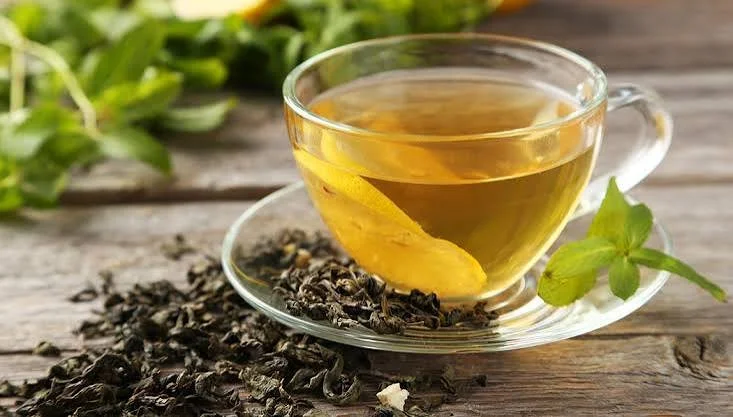
What if two things already sitting in your kitchen — a tea bag and a piece of fruit — were quietly working in your favor? I was recently interviewed for two national articles: one in Real Simple on what happens in your body when you drink green tea every day, and one in EatingWell on fruits that may help lower breast cancer risk. Here's what I shared, plus the practical takeaways worth folding into your week.
What Happens When You Drink Green Tea Every Day?
Green tea is low in calories but rich in bioactive compounds — caffeine, L-theanine, and antioxidant catechins, especially EGCG. Together, these compounds have been studied for their potential to support cancer prevention, weight management, cardiovascular health, brain health, and liver health, thanks to their antioxidant and anti-inflammatory properties. Regular drinkers also tend to notice a steadier, calmer form of energy and focus than they get from coffee, along with some evidence linking moderate intake to a lower risk of stroke and better blood pressure control than black tea.
How Much Is Worth Aiming For
Even one to two cups daily can help boost your antioxidant intake, but three to four cups daily appears to offer the greatest benefit. A cup of brewed green tea has roughly 30 to 50 mg of caffeine — modest compared to coffee, but still enough to cause jitteriness, headaches, or sleep disruption in sensitive people. If that's you, decaf is a solid substitute. Note that due to the calming effects of l-theanine, the caffeine in green tea and matcha may be more tolerable, generally speaking.
A Few Things to Keep in Mind
Iron absorption: the tannins in green tea can interfere with iron uptake, so if you're low in iron or anemic, drink it at least an hour away from meals.
Sweeteners: opt for unsweetened varieties — many bottled, instant, and powdered versions are loaded with added sugar, which works against the benefits.
Lemon: a squeeze of lemon juice, or other citrus, seems to significantly improve how well the body absorbs green tea's antioxidants.
Matcha: since it's made from the whole ground leaf rather than steeped leaves, matcha delivers an even more concentrated dose of nutrients.
Brewing: use hot, not boiling, water (about 160–180°F) and steep for just one to three minutes — boiling water and over-steeping both diminish the tea's beneficial catechins and add bitterness.
4 Fruits That May Help Lower Breast Cancer Risk
Breast cancer is one of the most common cancers among women, and while no single food prevents it, diet is one factor within our control. A higher fruit intake overall has been associated with roughly a 7% lower risk of breast cancer, largely credited to fiber and polyphenols — anthocyanins, fisetin, quercetin, hesperidin, and limonene among them. It's worth noting that most of this research is still observational or preclinical, and that overall dietary pattern matters more than any single fruit. With that context, four fruits stand out for their supporting evidence.
Apples: rich in quercetin, a polyphenol studied for its ability to interfere with multiple pathways involved in cancer cell growth and spread. Even the peel matters — it's high in triterpenoids, compounds shown to slow tumor growth in animal studies. Enjoy them sliced into salads, diced into oatmeal, or whole with a bit of nut butter.
Berries: blueberries, strawberries, raspberries, and blackberries bring fiber alongside anthocyanins and flavonoids linked to cancer-protective effects. One anthocyanin found in berries, delphinidin, has shown promise in laboratory studies for inhibiting tumor growth. Fresh or frozen both count — add them to yogurt, oatmeal, or smoothies.
Cherries: deeply pigmented and rich in anthocyanins, dark sweet cherries have shown potential in animal research to slow the growth of triple-negative breast cancer and to help maintain body weight during chemotherapy. They also offer vitamin C, potassium, and fiber. Toss them into grain bowls, salads, or parfaits.
Dried fruit: raisins, dates, figs, and prunes concentrate fiber and phytonutrients along with natural sugars, so a ¼-cup serving (versus 1 cup fresh) is the sweet spot. Because of their natural sugar content, portion matters more here than with other fruits. Figs, in particular, are drawing attention for their polyphenol content. Stir dried fruit into oatmeal or add chopped prunes to a tagine.
Beyond these four, citrus fruits, kiwi, and pomegranate are also worth incorporating regularly — and whole fruit is the better choice over fruit juice, which hasn't shown the same protective association.
Citrus is well known for its vitamin C content, which enhances the absorption of polyphenols. Citrus fruits also contains various phytochemicals, including hesperidin, naringenin, limonene, and tangeretin. A preclinical study reported hesperidin to exhibit anti-cancer effects in breast cancer cells and also reduced chemotherapy toxicity. While grapefruit is rich in the anti-cancer compound, naringenin, grapefruit is also known to interact with various medications, including Tamoxifen and aromatase inhibitors.
Earlier on the research front with breast cancer, but worth noting. Kiwisare an excellent source of vitamin C and also contain various phytochemicals, including quercetin, catechins, fisetin, and lutein. A recent preclinical trial found the phytochemicals in kiwi to exhibit anticancer properties.
While research is emerging re: pomegranate and breast cancer, pomegranates are rich in numerous bioactive compounds - various polyphenolic compounds, including resveratrol; flavonoids, anthocyanins, and phenolic acids. Research has shown that pomegranate contains 124 different protective phytochemicals! That’s right, one fruit = 124 phytochemicals! These phytochemicals, particularly ellagitannins, inhibit aromatase, the enzyme that converts androgens into estrogen. Aromatase inhibitors are naturally highly relevant for postmenopausal women with ER+ (estrogen receptor) cancer history or risk factors. Additionally, these ellagitannins are converted by gut bacteria into a bioactive compound known as urolithin A. A preclinical trial published in 2025 using triple negative breast cancer cells found urolithin A to exhibit anticancer activity.
The Bigger Picture
Fruit is one piece of a larger pattern. Maintaining a healthy weight, staying physically active (aim for at least 150 minutes of moderate activity weekly), limiting alcohol, prioritizing vegetables alongside fruit, and choosing poultry, fish, beans, and legumes over red and processed meat all contribute meaningfully to lowering risk. None of this is about doing everything perfectly — it's about steadily adding more of what supports you.
Bottom Line
Small, consistent choices add up. A daily cup or two of unsweetened green tea, brewed gently and enjoyed away from meals if you're low in iron, is an easy habit with real evidence behind it. And building your week around apples, berries, cherries, and a modest serving of dried fruit — alongside vegetables, movement, and mindful alcohol intake — gives your body meaningful support. You don't have to overhaul your diet overnight to make a difference; you just have to start adding these in.
Hope you found something here worth adding to your routine — whether it's a daily cup of green tea or a handful of cherries. As always, if you'd like to dig deeper into either topic, reach out.
In Health,
Natalie